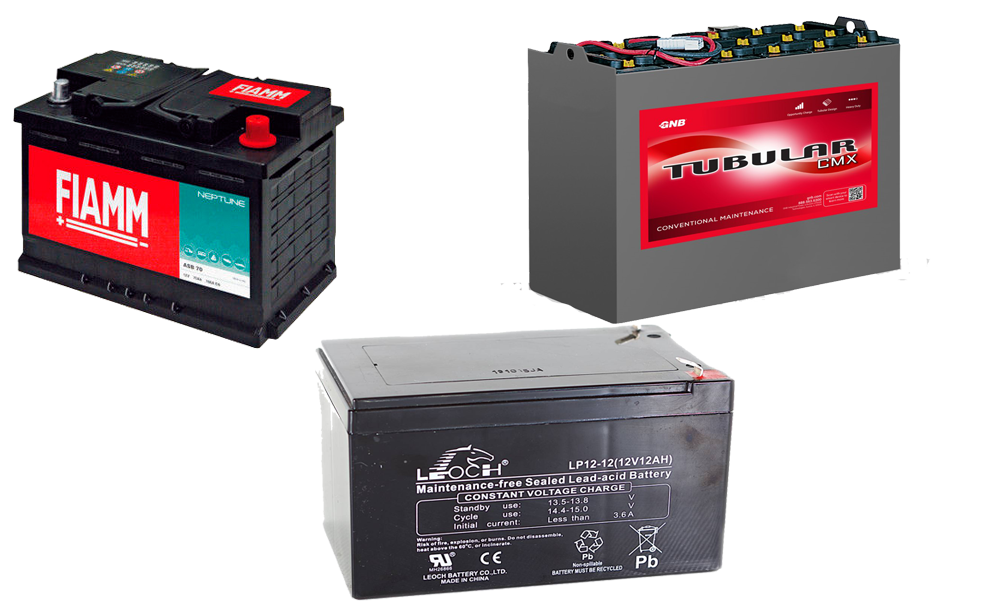
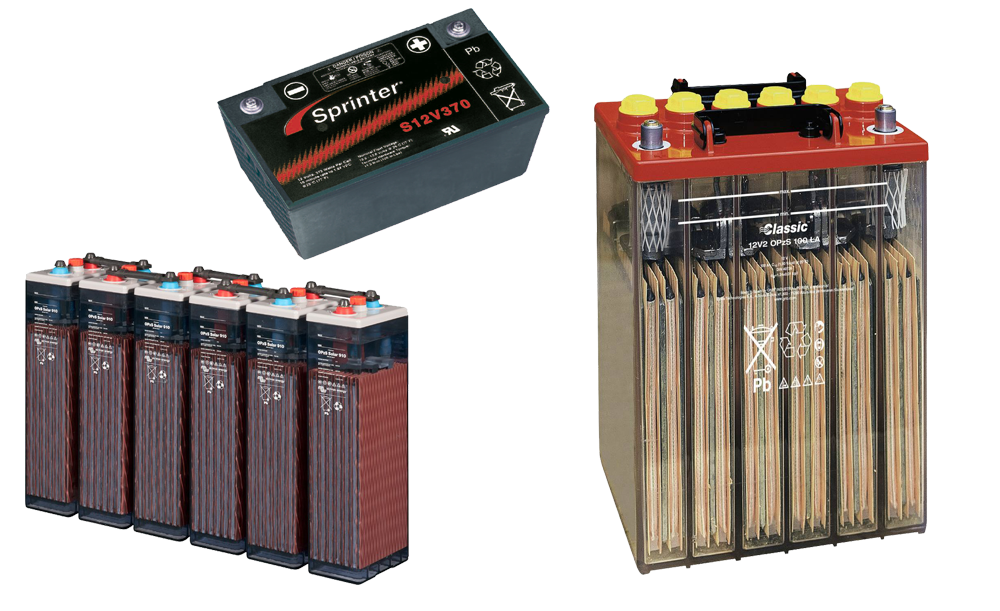
Life without batteries would be a trip back in time, a century or two, when pretty much the only way of making portable energy was either steam power or clockwork. Batteries—handy, convenient power supplies as small as a fingernail or as big as a trunk—give us a sure and steady supply of electrical energy whenever and wherever we need it. Although we get through billions of them every year and they have a big environmental impact, we couldn’t live our modern lives without them.
The positive and negative electrodes are separated by the chemical electrolyte. It can be a liquid, but in an ordinary battery it is more likely to be a dry powder. When you connect the battery to a lamp and switch on, chemical reactions start happening. One of the reactions generates positive ions and electrons at the negative electrode. The positive ions flow into the electrolyte, while the electrons flow around the outside circuit to the positive electrode and make the lamp light up on the way.